
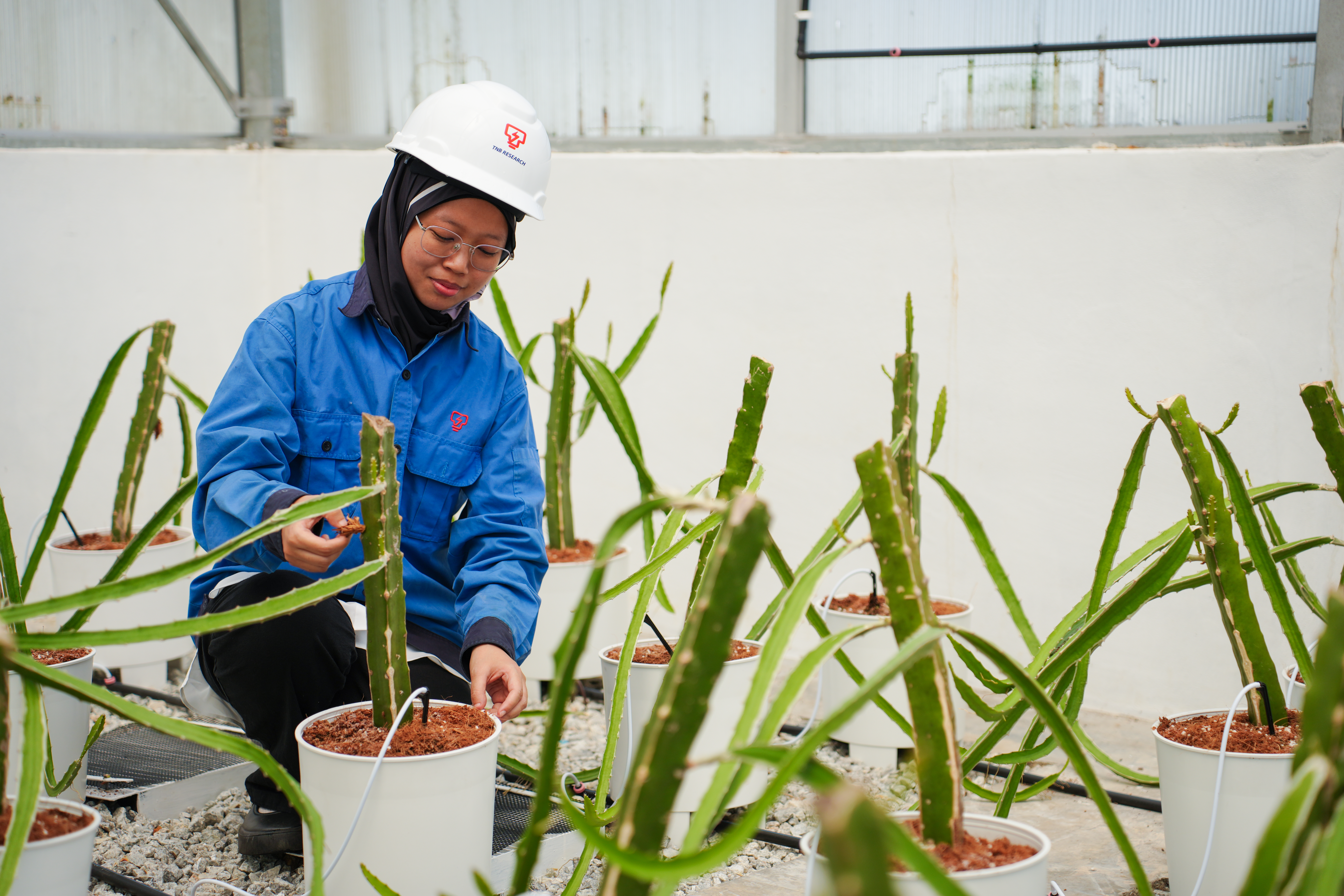
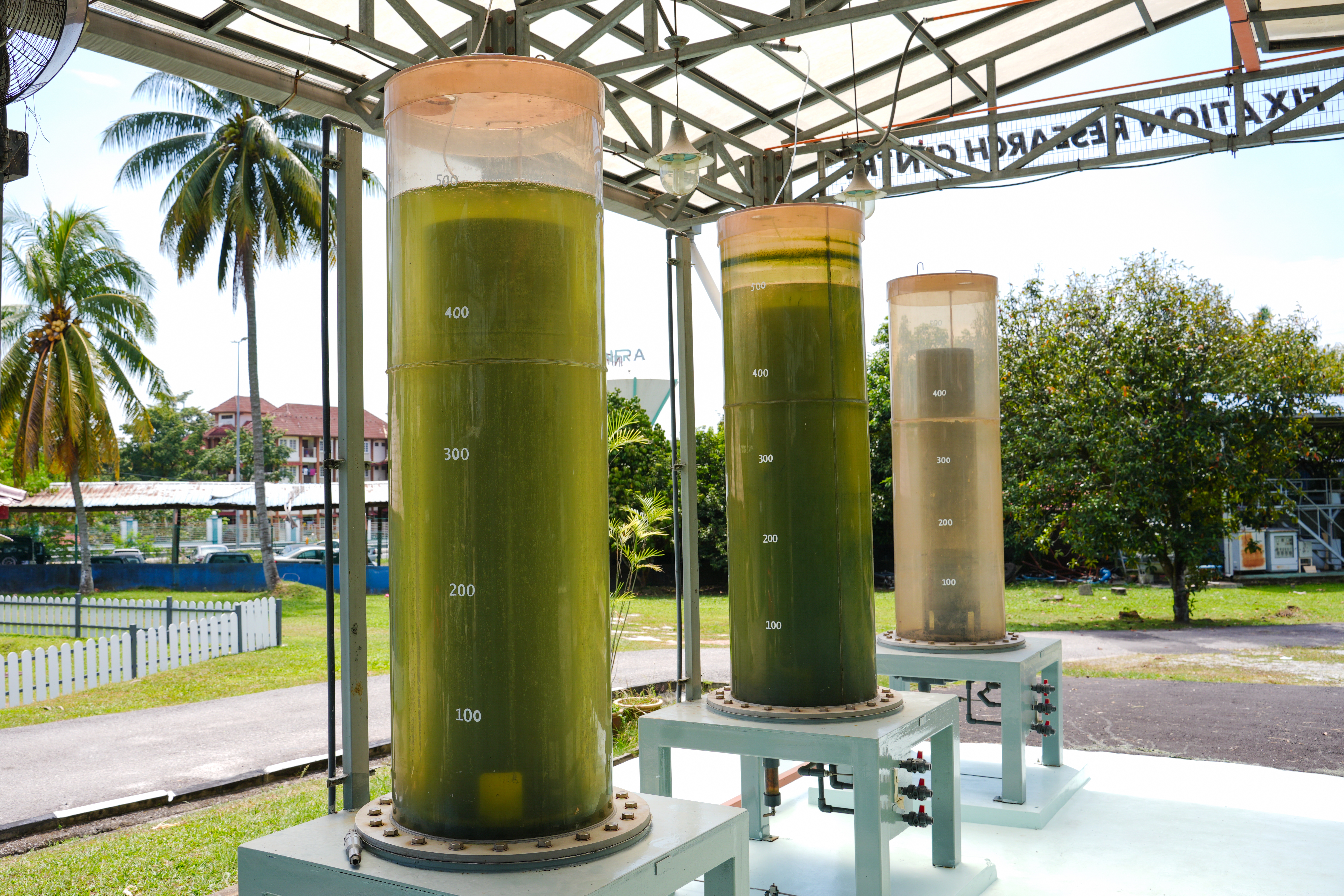
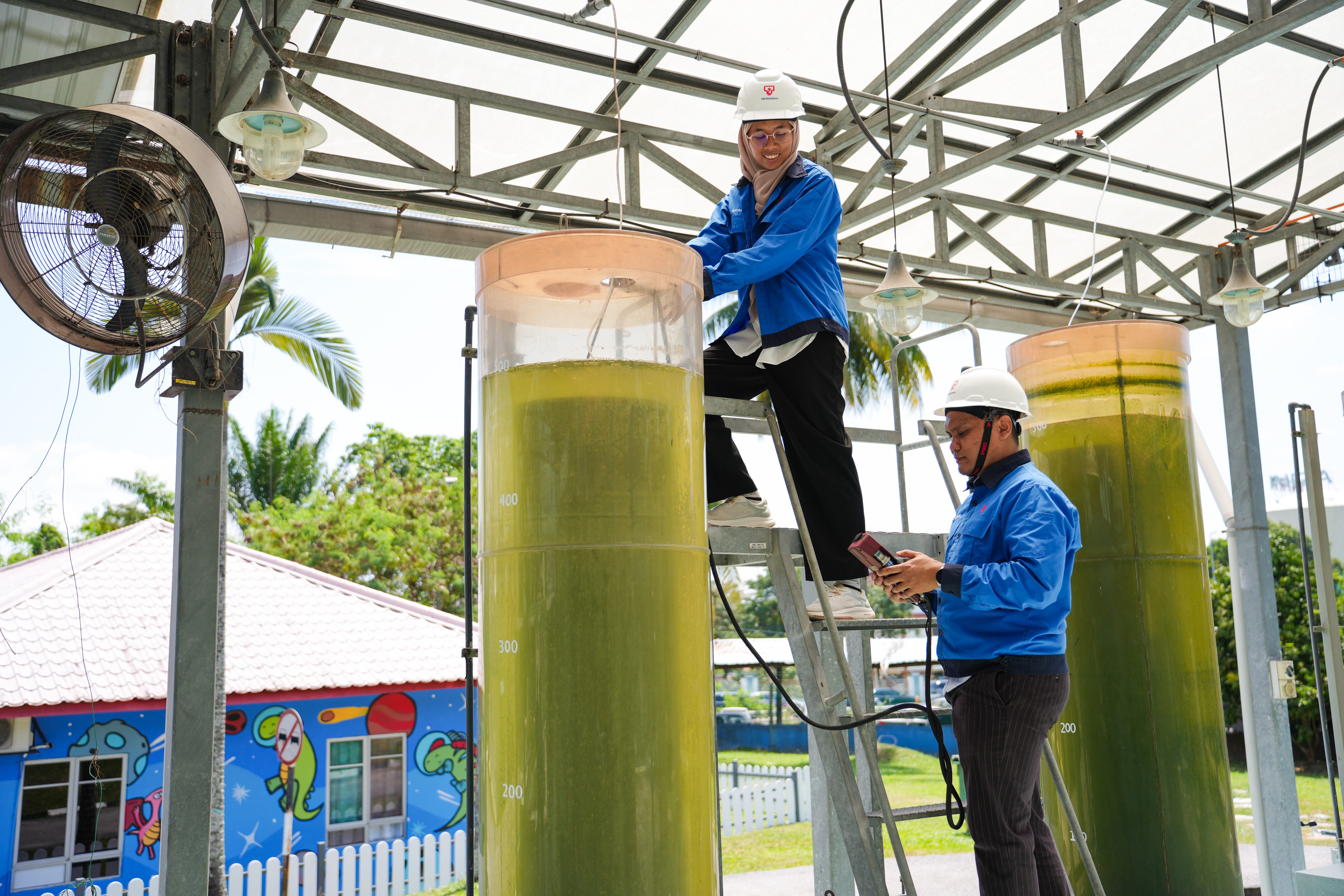
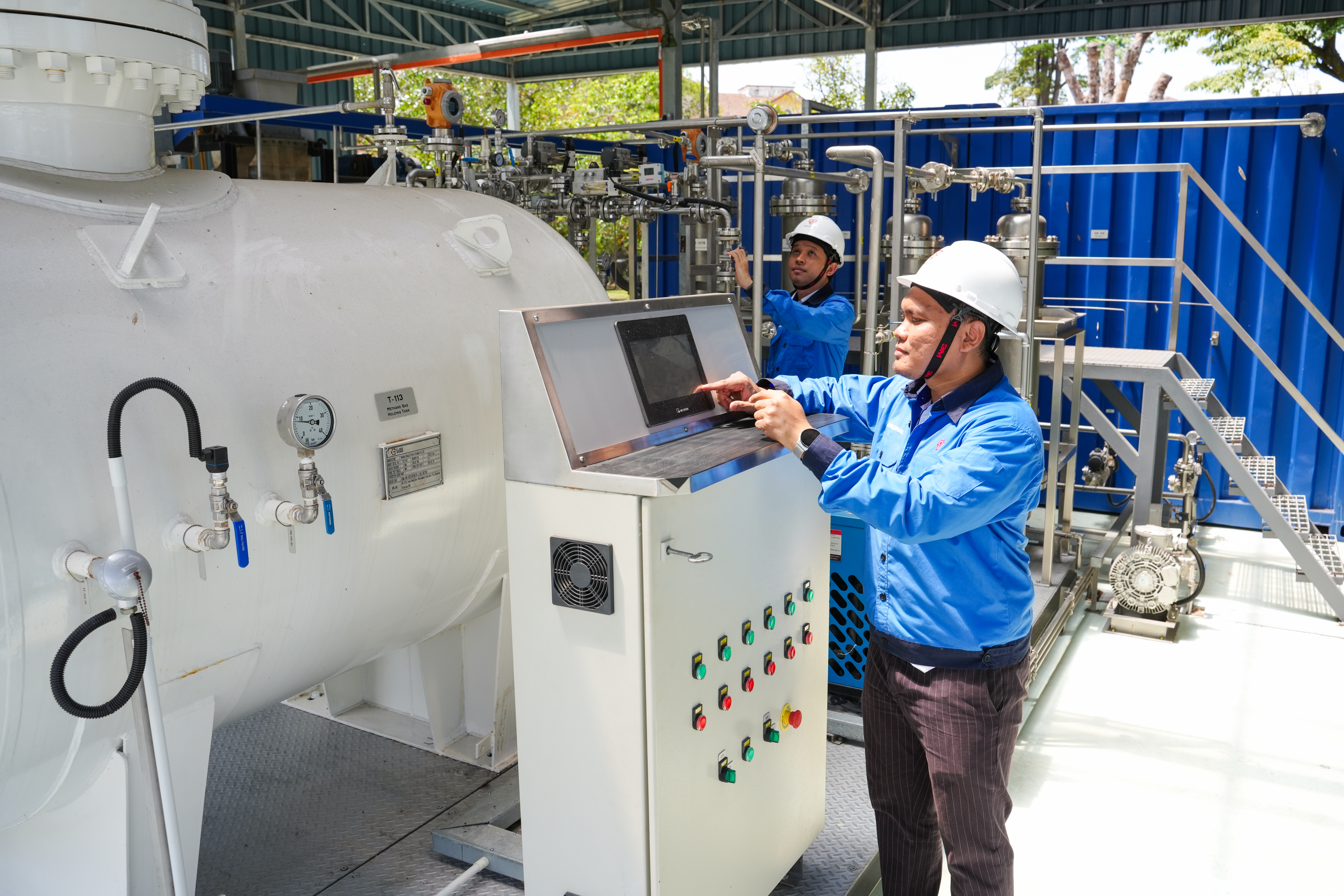
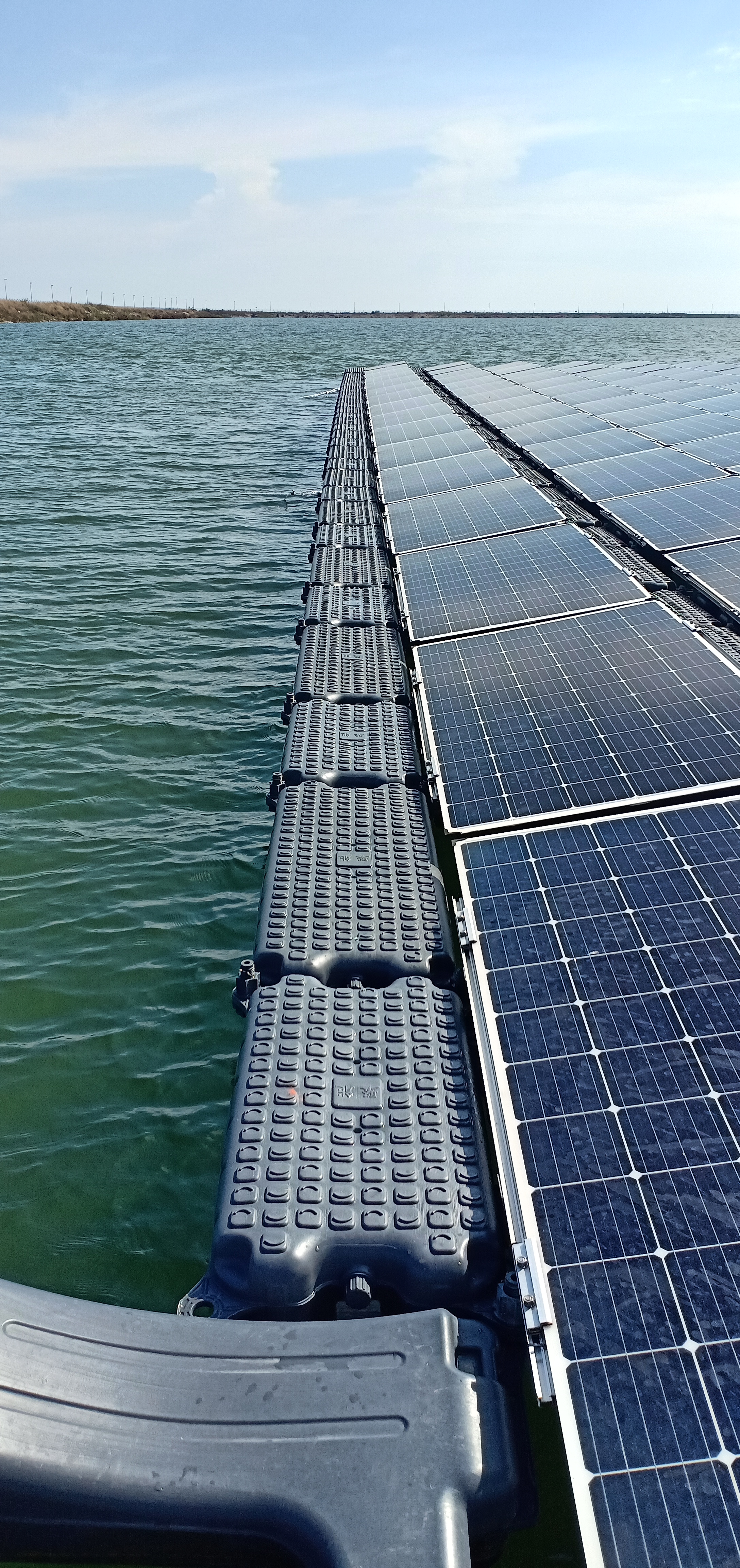
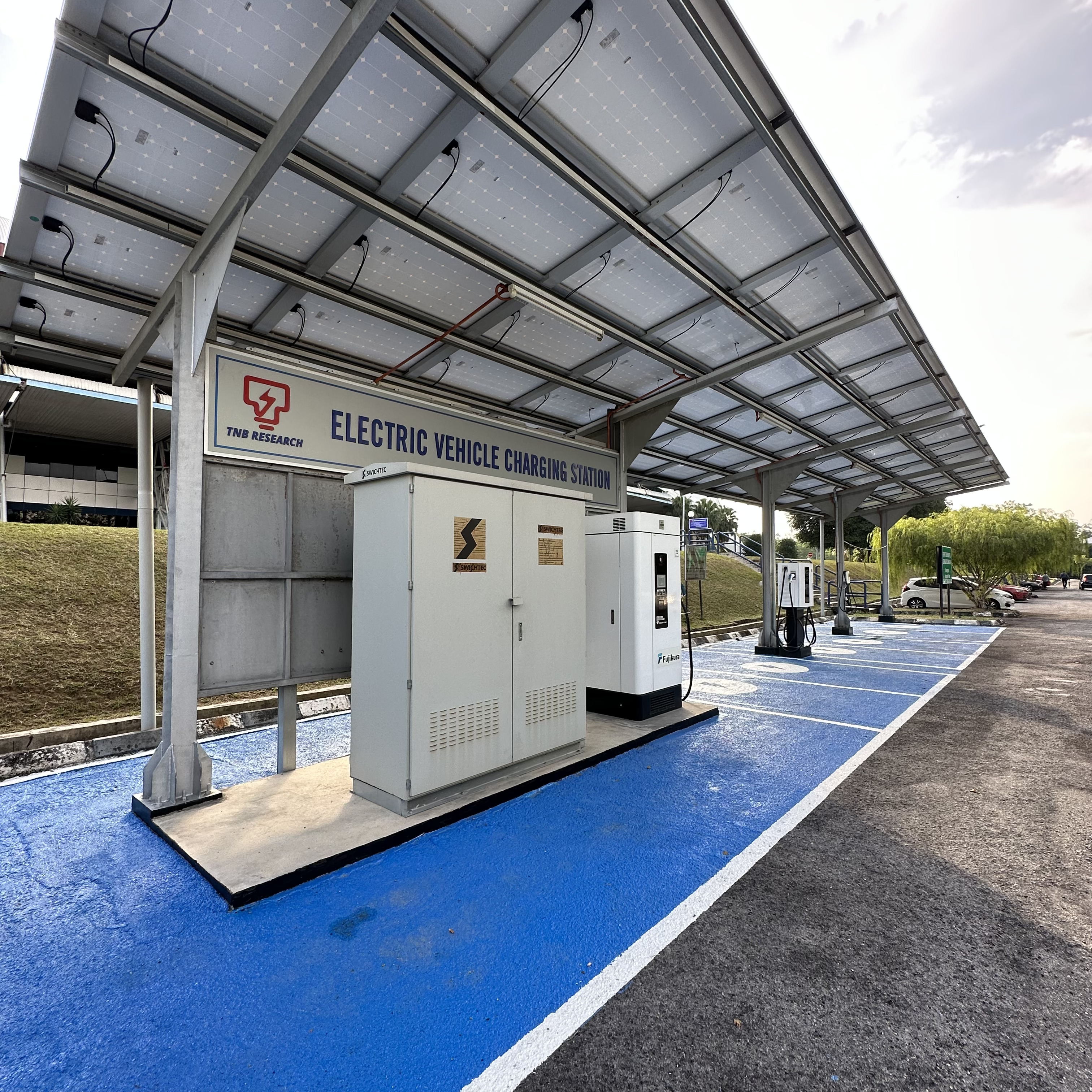
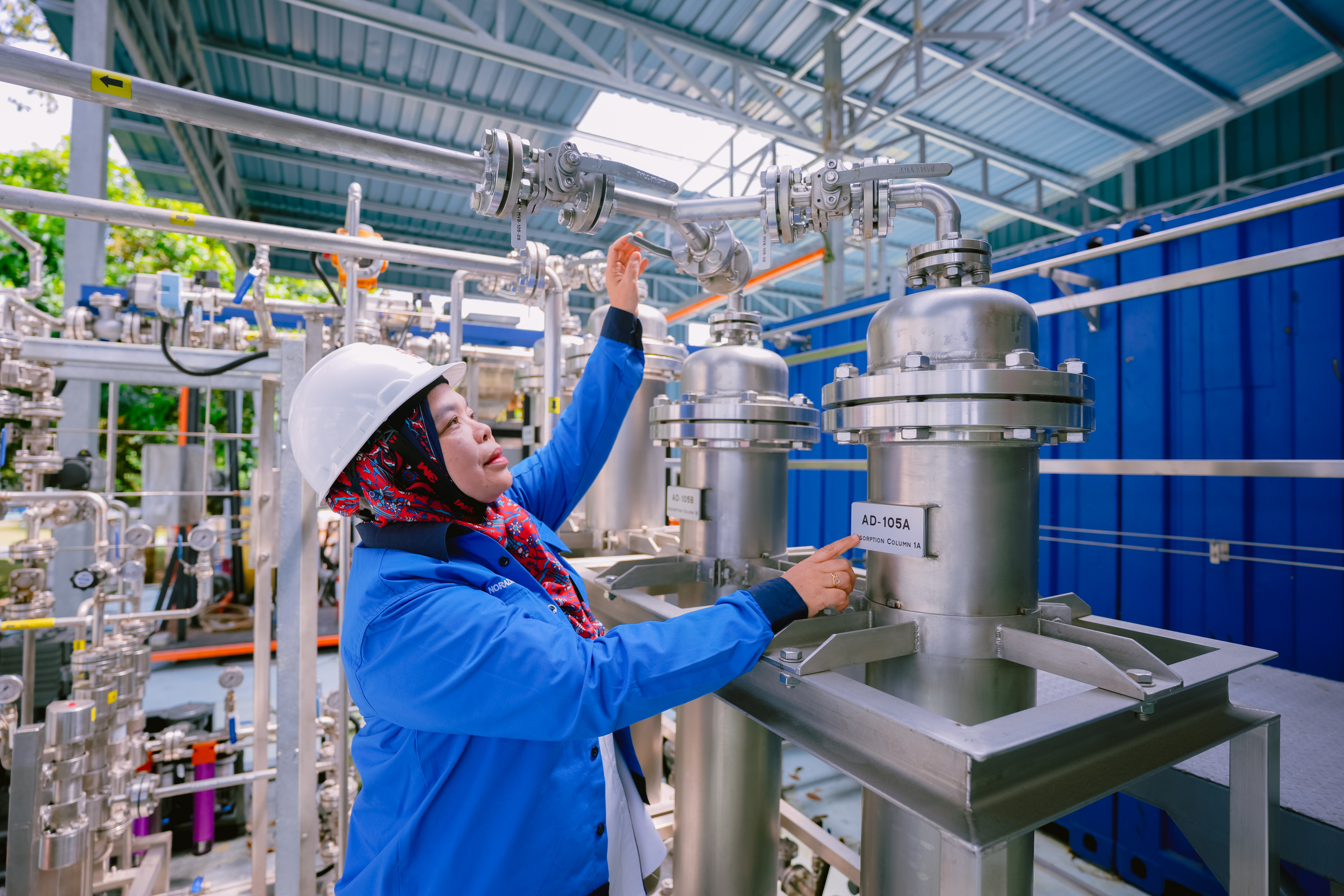
The Decarbonisation & Renewable Energy (DARE) unit drives Tenaga Nasional Berhad’s journey toward a sustainable, low-carbon future. Through cutting-edge R&D, DARE advances clean energy technologies in solar, wind, energy storage, hydrogen, bioenergy, and carbon management.
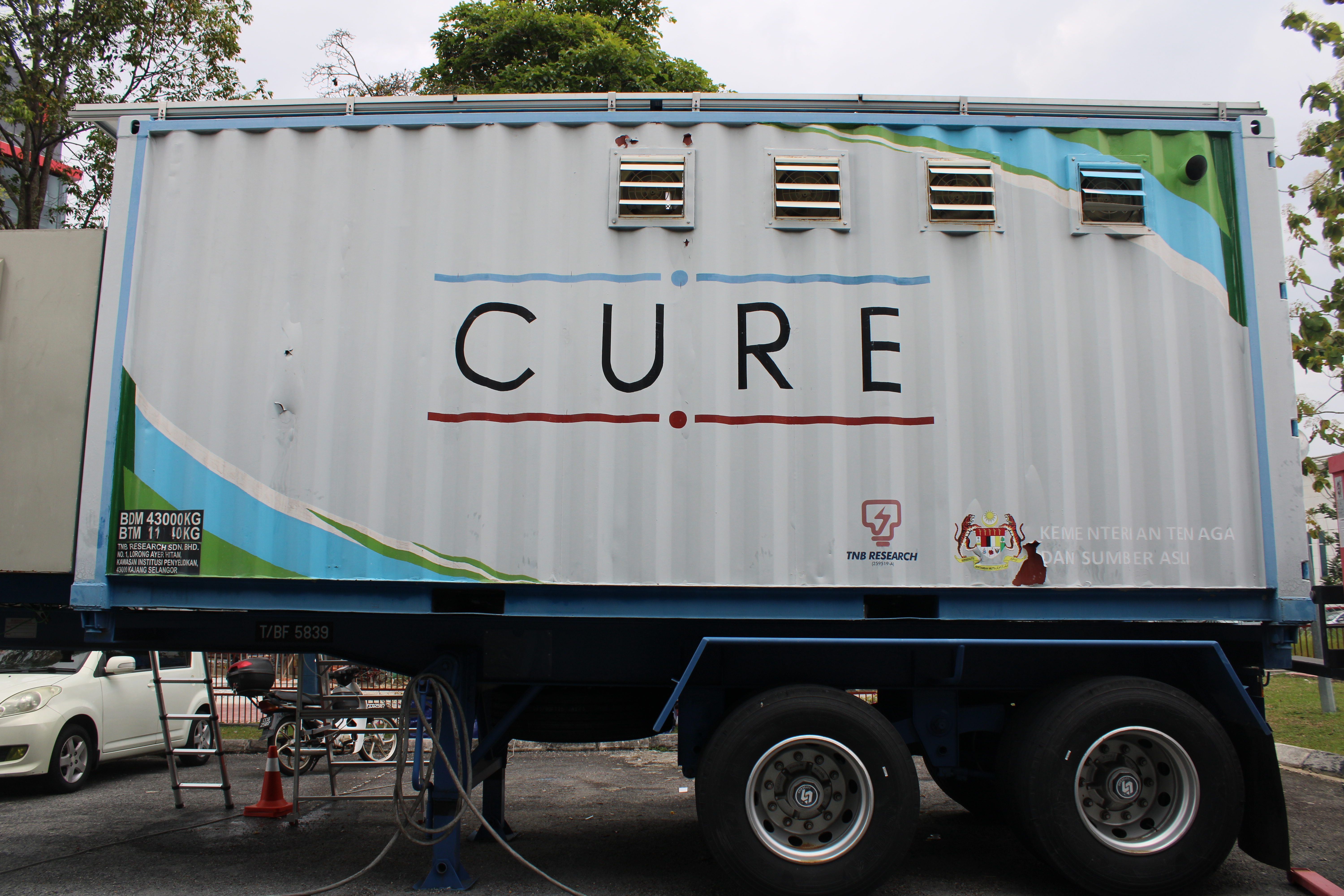
Key initiatives such as Project DRAGON (Malaysia’s first CCUS pilot), Project REACH (solar-powered green hydrogen), and CURE (CO₂ utilisation system) position TNB at the forefront of clean energy innovation.
Focusing on energy storage, renewables, carbon capture, hydrogen, and bioenergy, DARE supports Malaysia’s energy transition and strengthens national energy security while contributing to global climate goals.
REACH
Project REACH is TNB's flagship green hydrogen initiative, advancing the transition toward zero-emission energy solutions. The project integrates solar photovoltaic (PV) and battery energy storage systems (BESS) to power electrolysers for clean hydrogen production with no carbon emissions.
Initially, the hydrogen produced will be used for generator cooling at TNB's thermal power plants, with plans to expand into broader decarbonisation initiatives. A comprehensive techno-economic study and long-term operation strategy ensure the project's performance, efficiency, and sustainability.
Beyond a pilot, Project REACH proves the viability and scalability of green hydrogen—highlighting its role in building a resilient, low-carbon energy system. It supports Malaysia's National Energy Transition Roadmap and aligns with TNB's Net Zero Aspiration by 2050, positioning hydrogen and carbon capture technologies as key enablers of the nation's clean energy future.
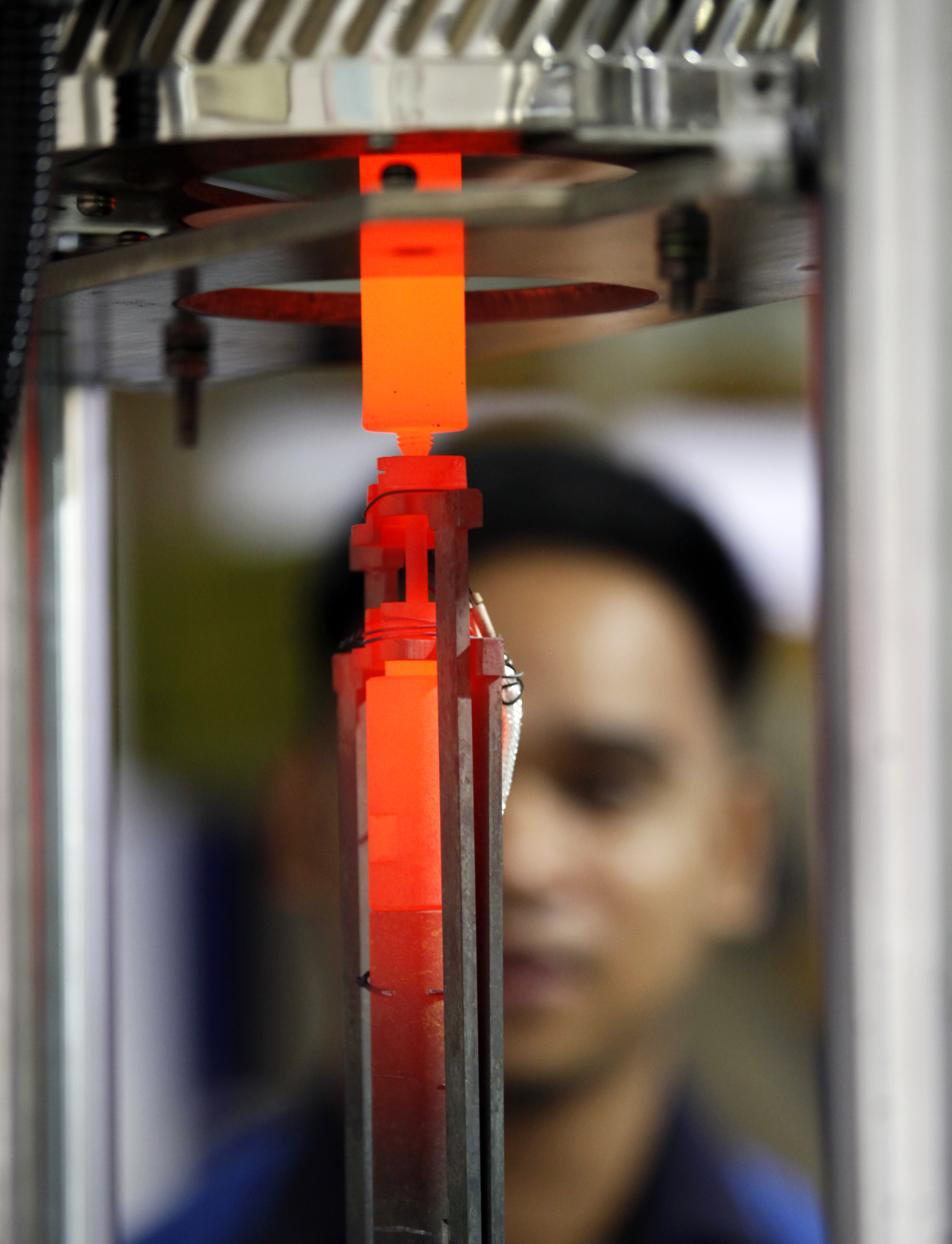
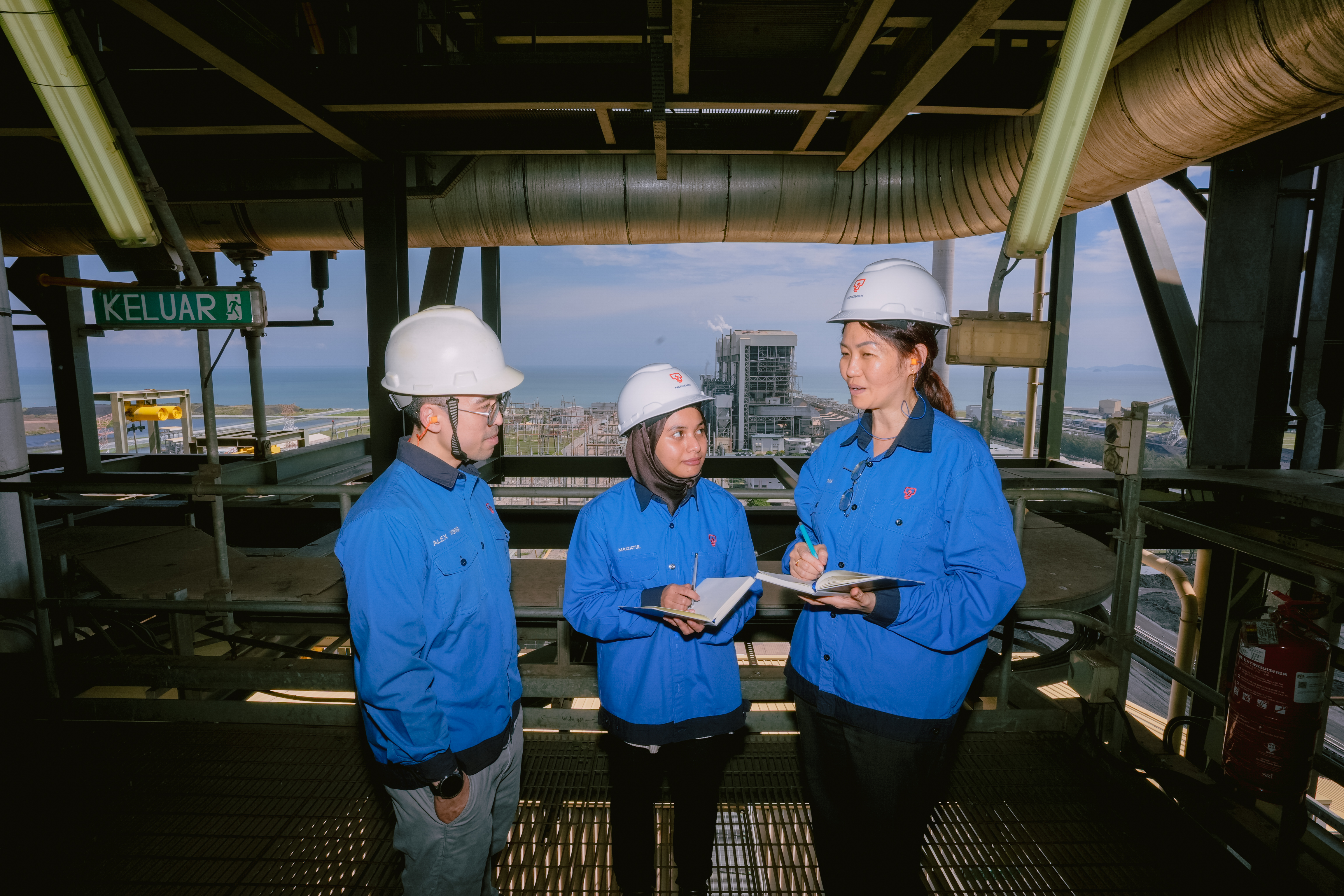
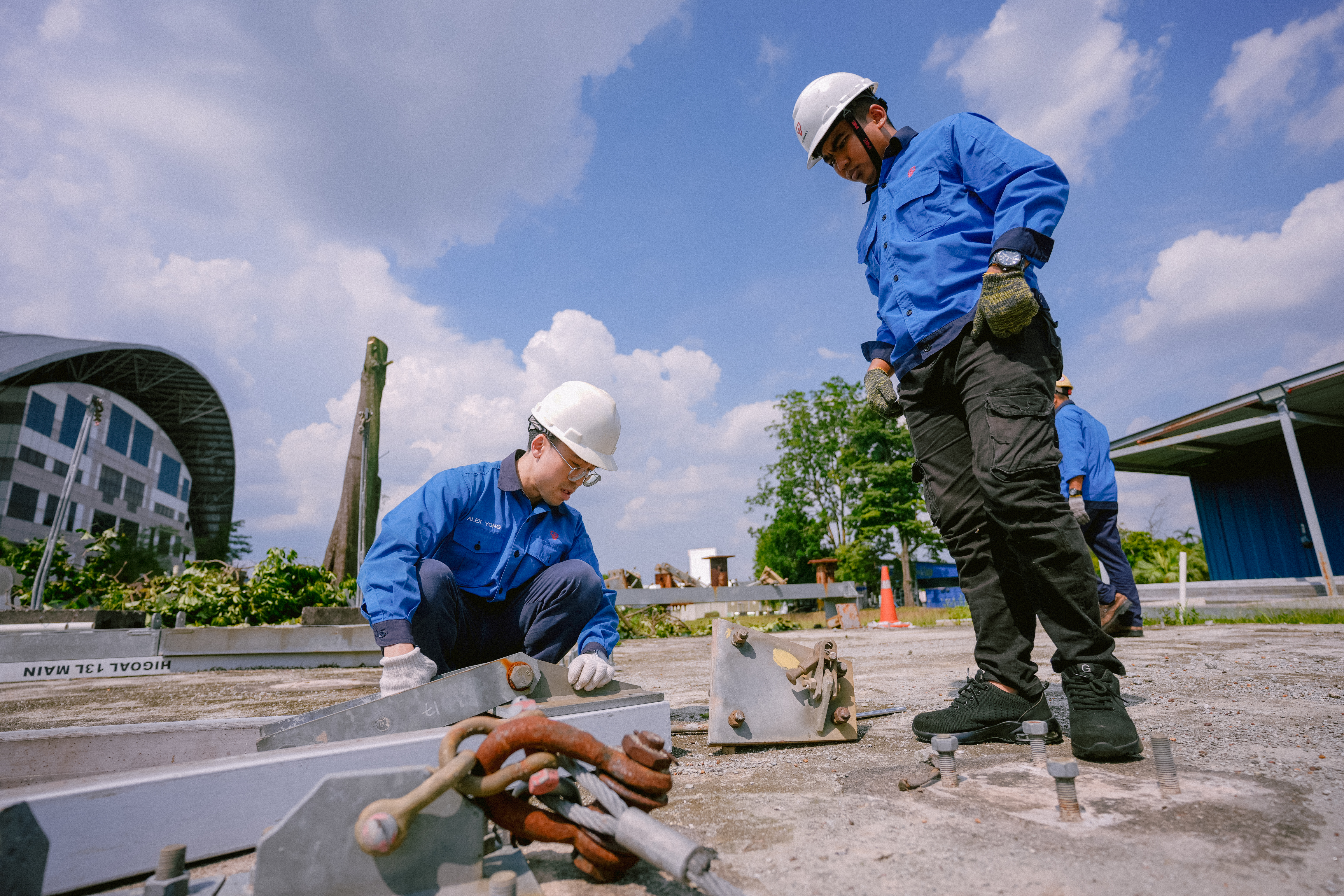
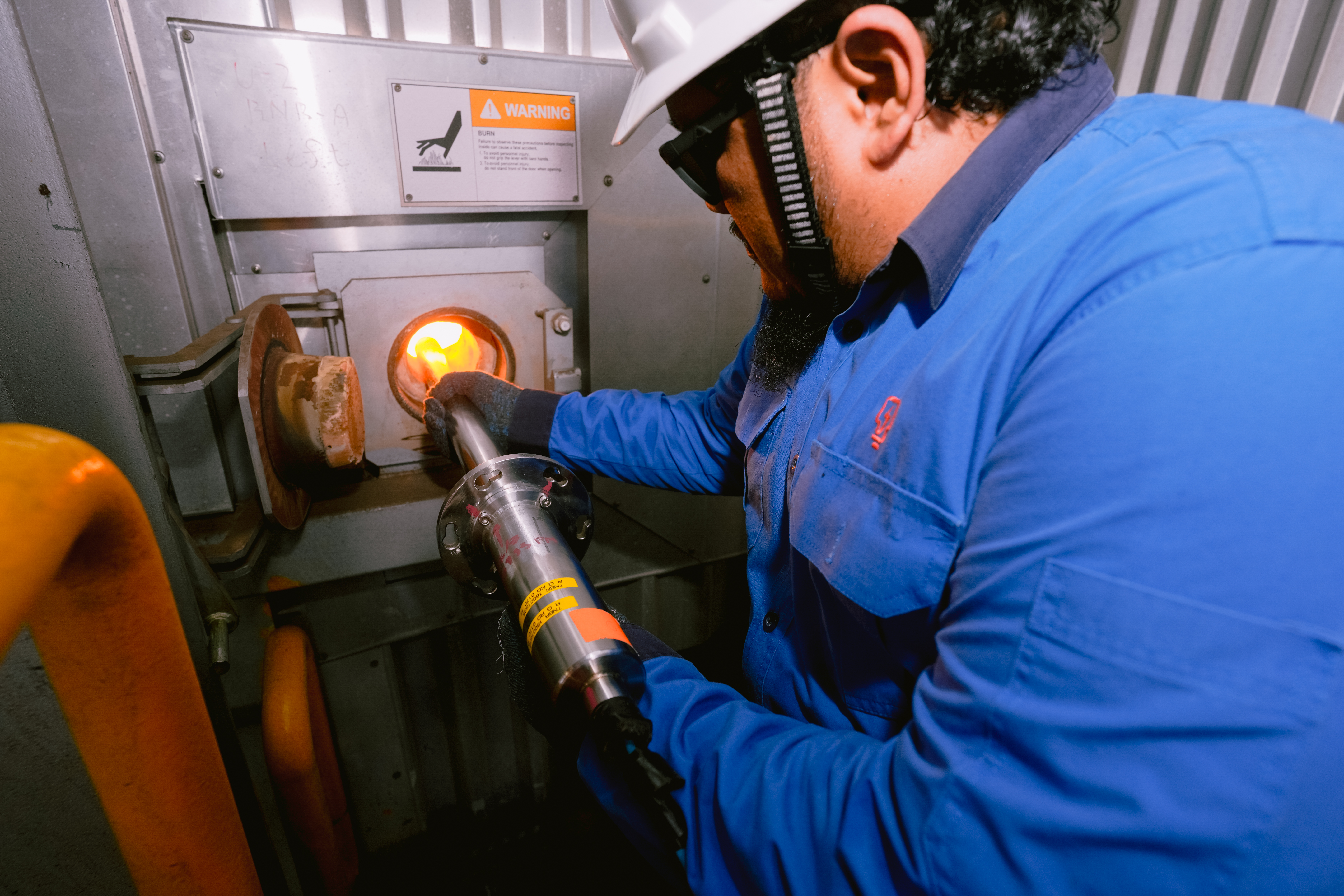
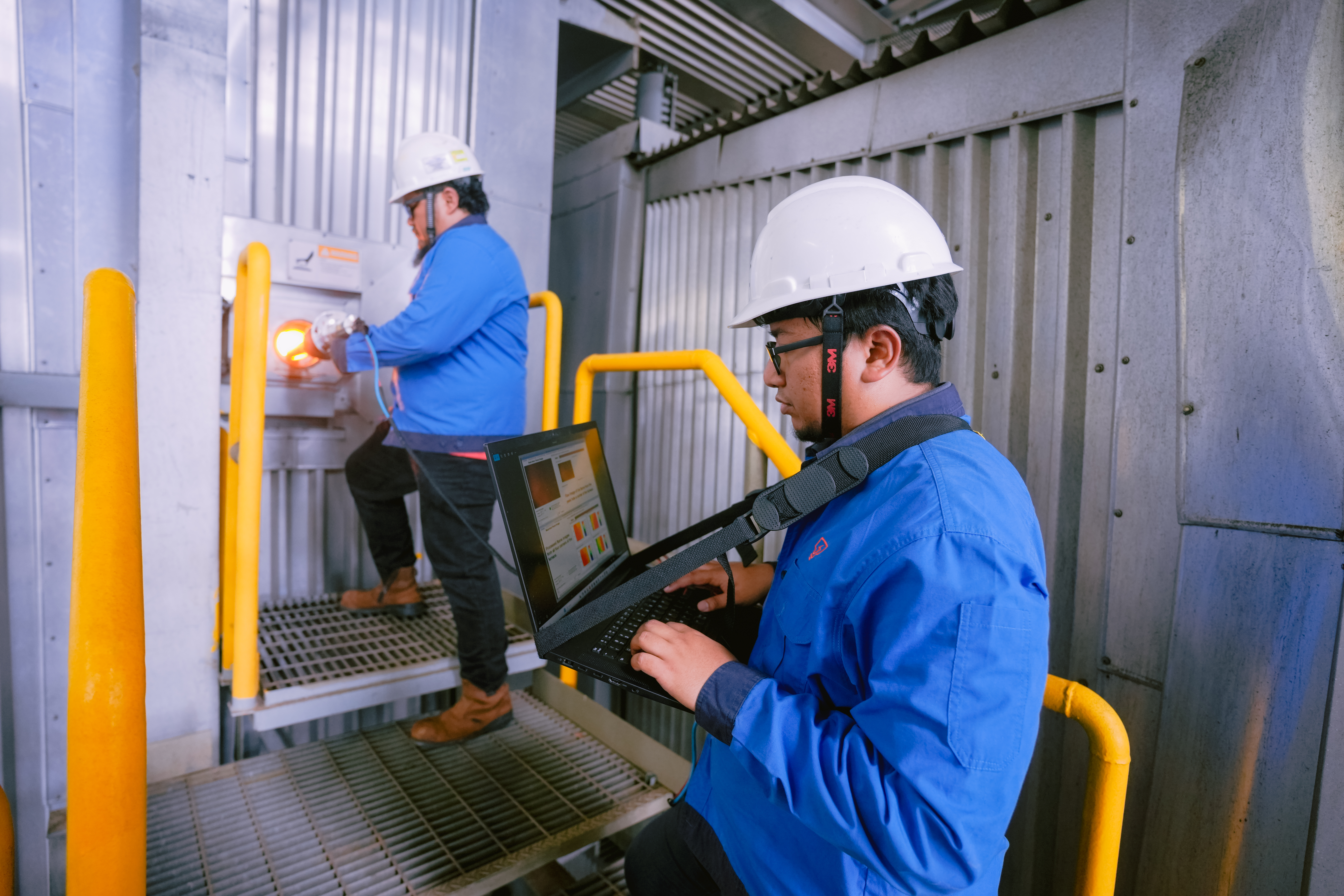
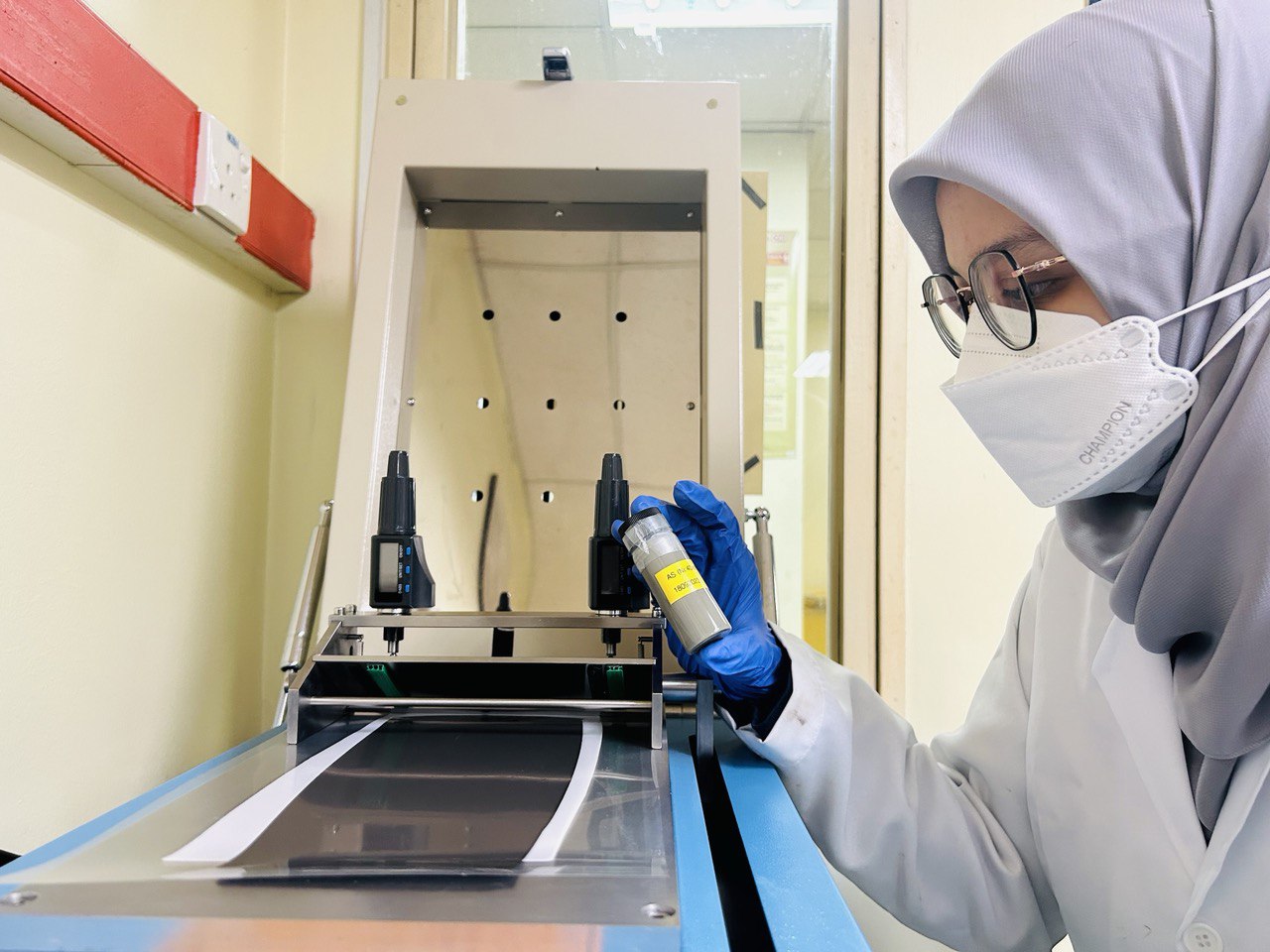
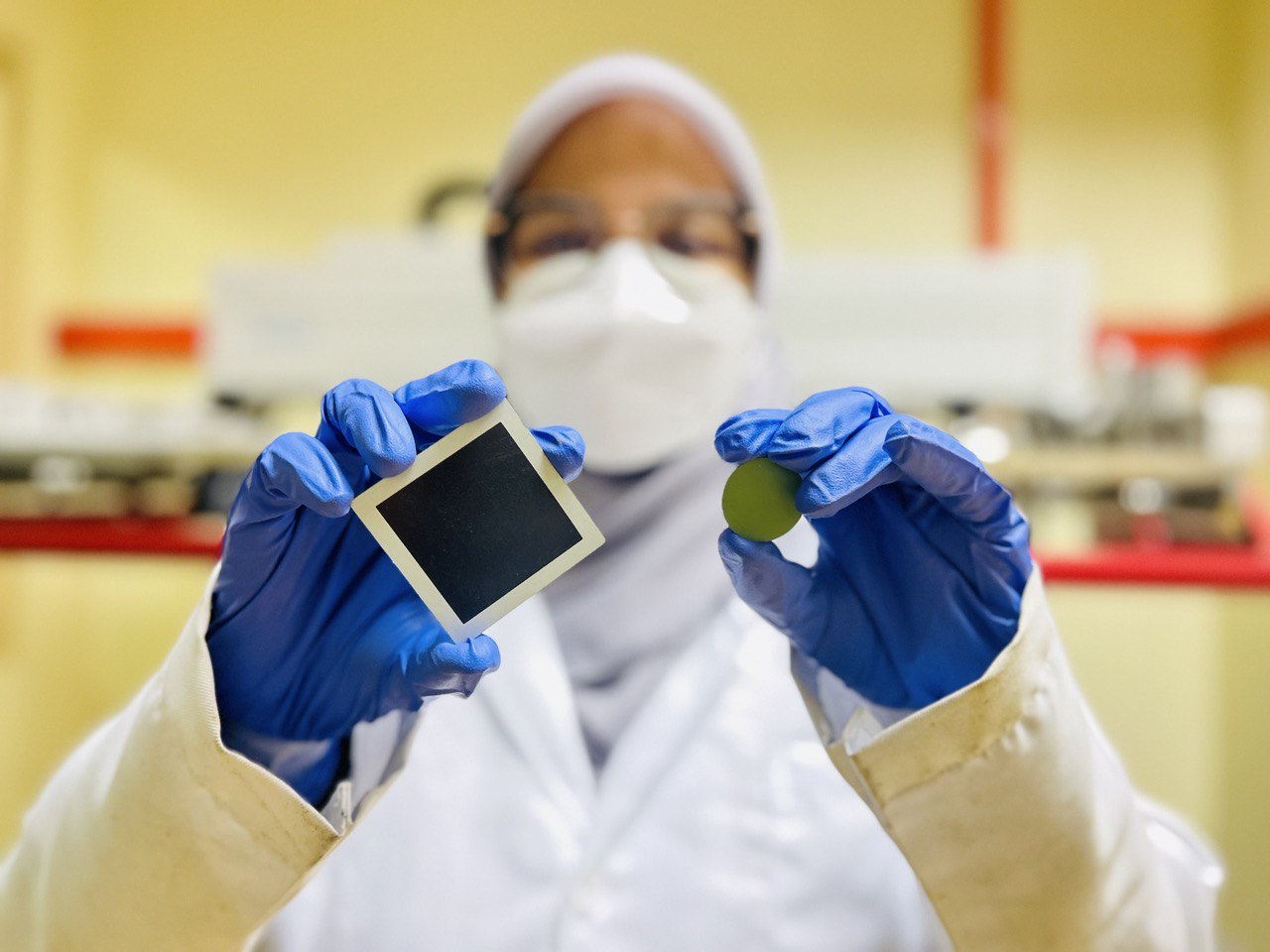
Energy Generation & Materials (EGEM) Research Center, leveraging our deep expertise in power plant technology, fuel combustion, and metallurgy—supported by state-of-the-art facilities—we deliver innovative solutions that enhance energy efficiency, sustainability, and the reliability of power generation.
With an extensive track record and a culture of innovation, we provide comprehensive and sustainable services in combustion performance, fuel quality, material quality assurance, and asset integrity management, ensuring optimal performance and dependability of power plants.
Research on Technical Feasibility of Co-Firing Ammonia and Sub-Bituminous Coals in a Pilot-Scaled Combustor
In collaboration with IHI and Petronas, TNB—through TNB Genco and TNBR—conducted a pilot-scale study to assess the feasibility of co-firing ammonia with sub-bituminous coal. The study evaluated combustion performance, emission characteristics, and operational risks, confirming high technology readiness based on proven global applications.
This initiative supports TNB's commitment to decarbonizing power generation under the National Energy Transition Roadmap (NETR), contributing to reduced coal consumption, lower CO₂ emissions, and alignment with ESG goals and future carbon tax management.
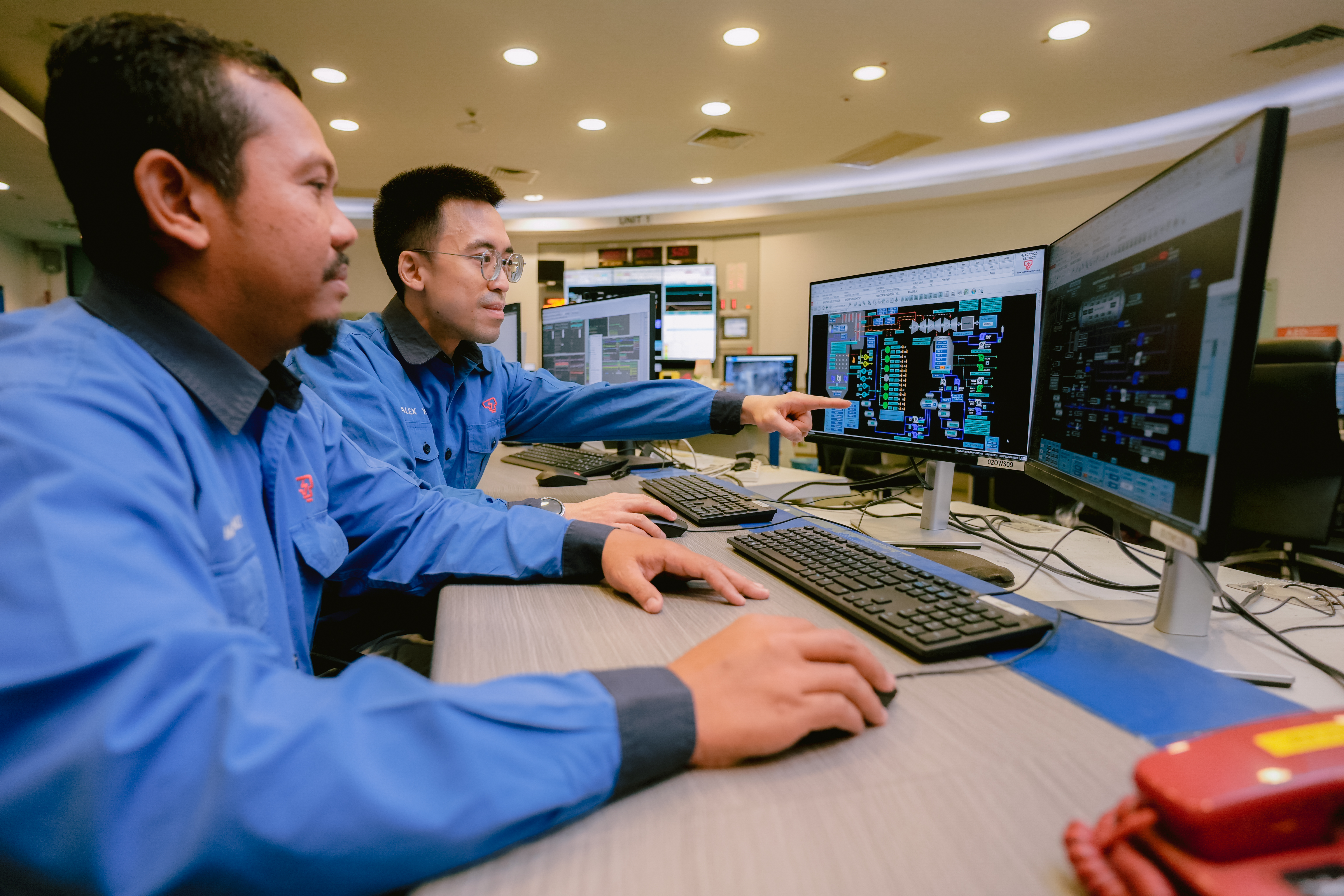
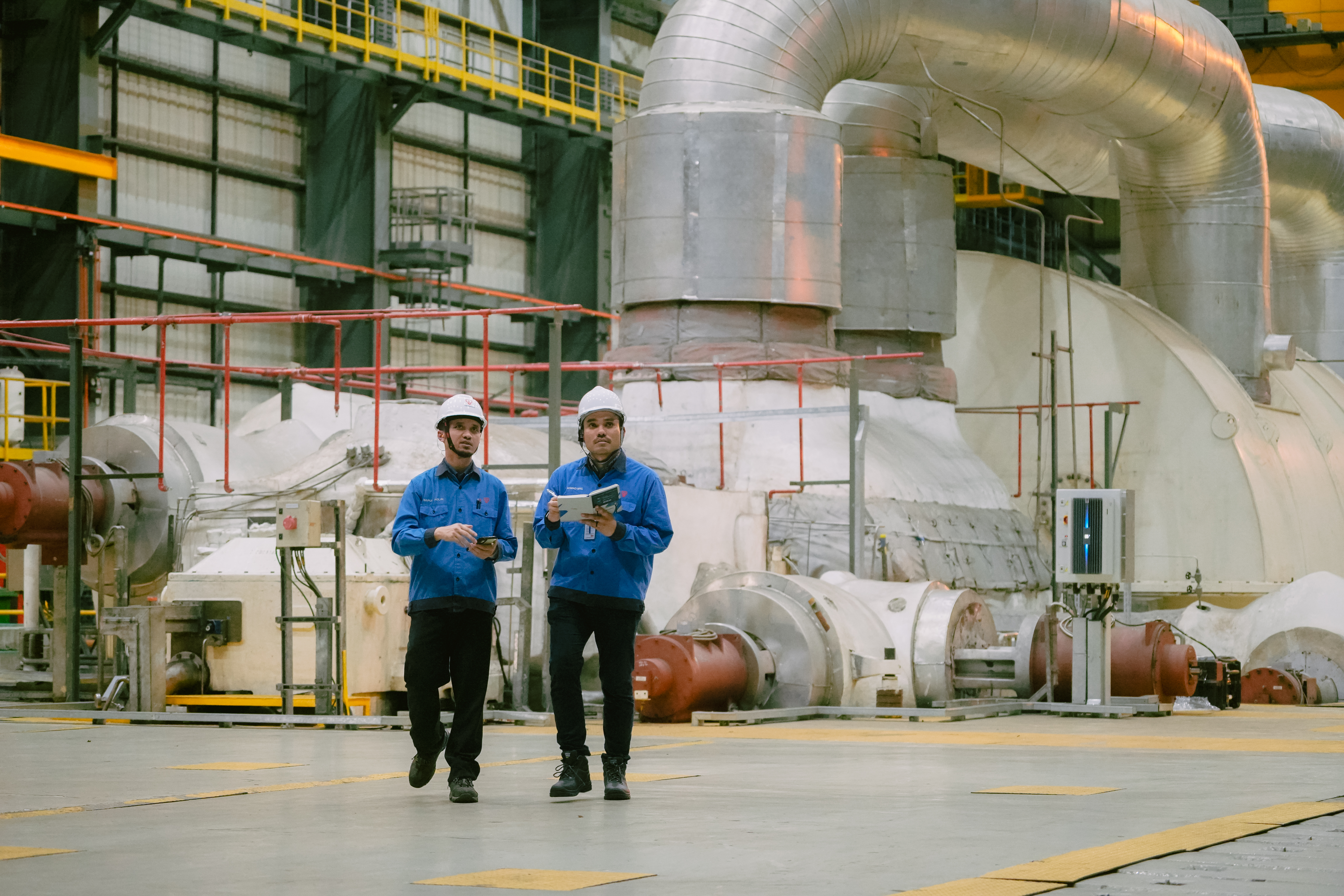


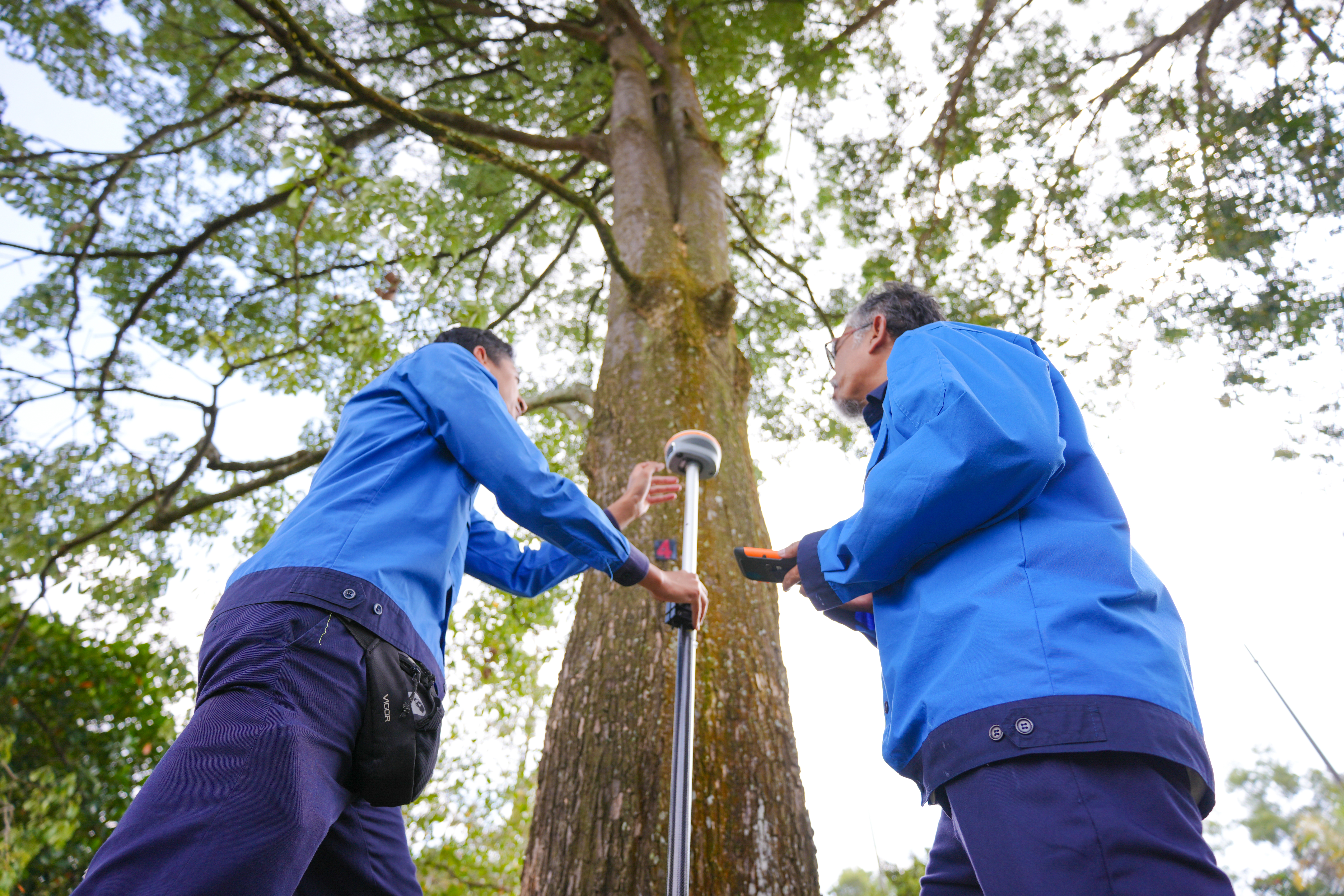
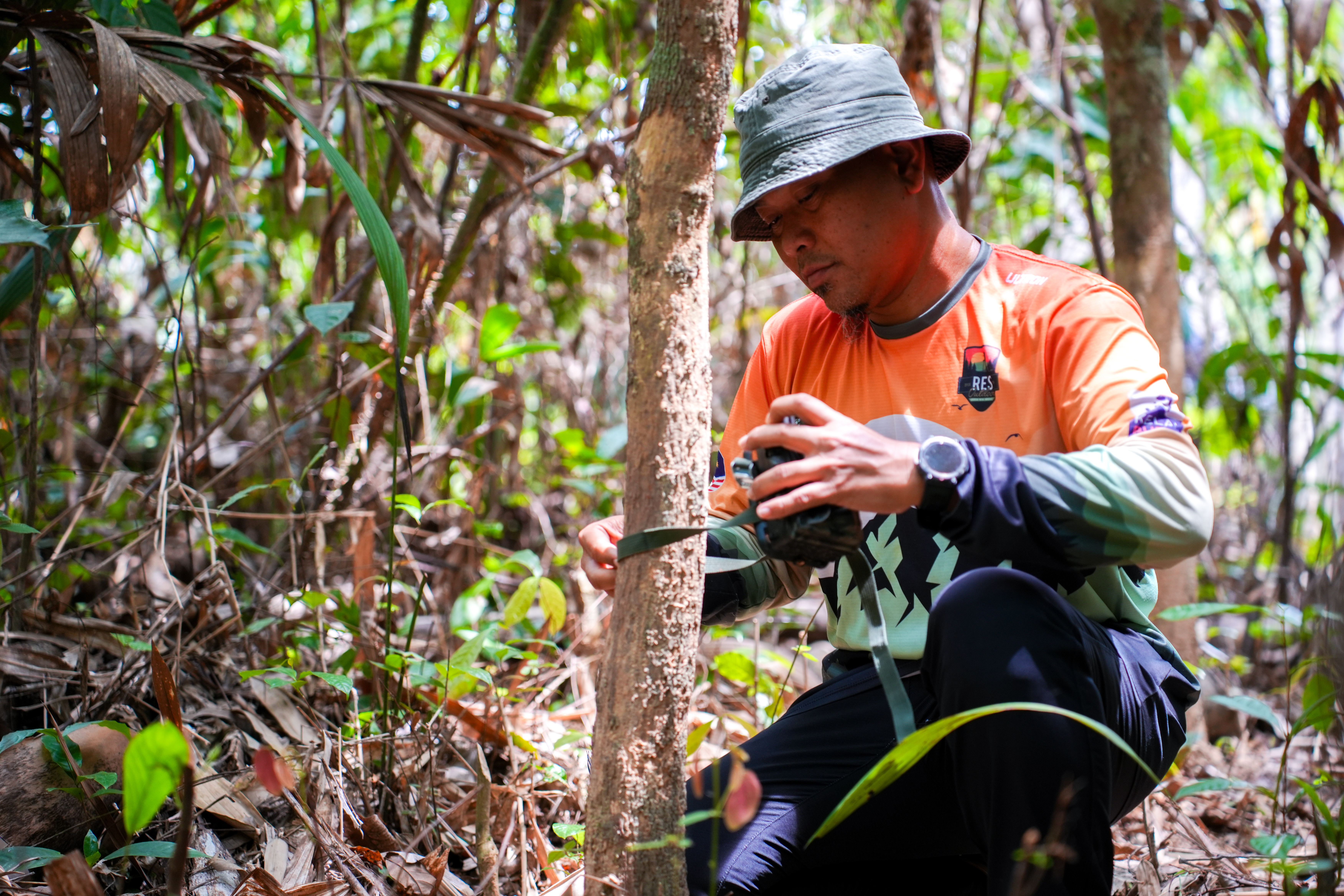
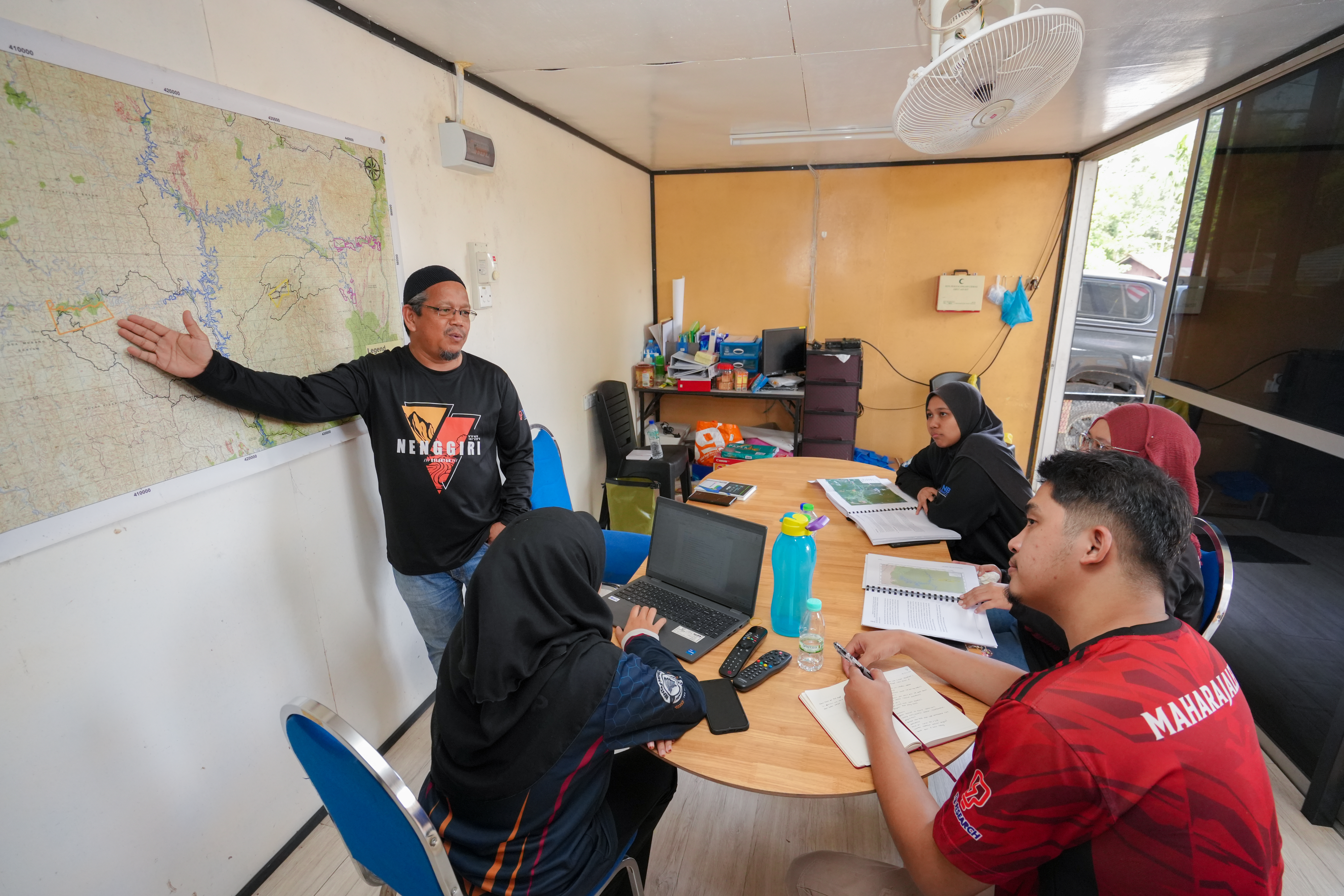
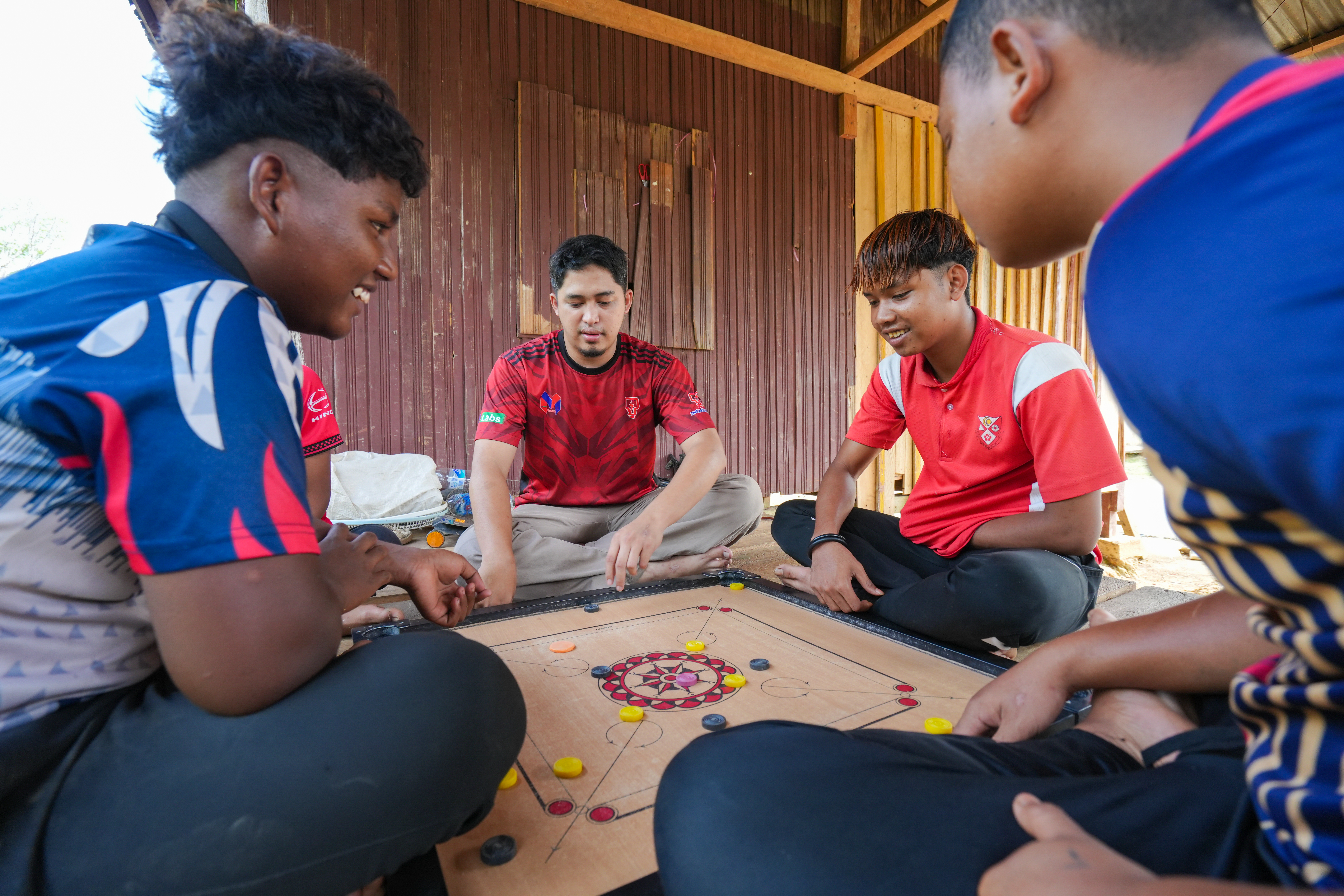
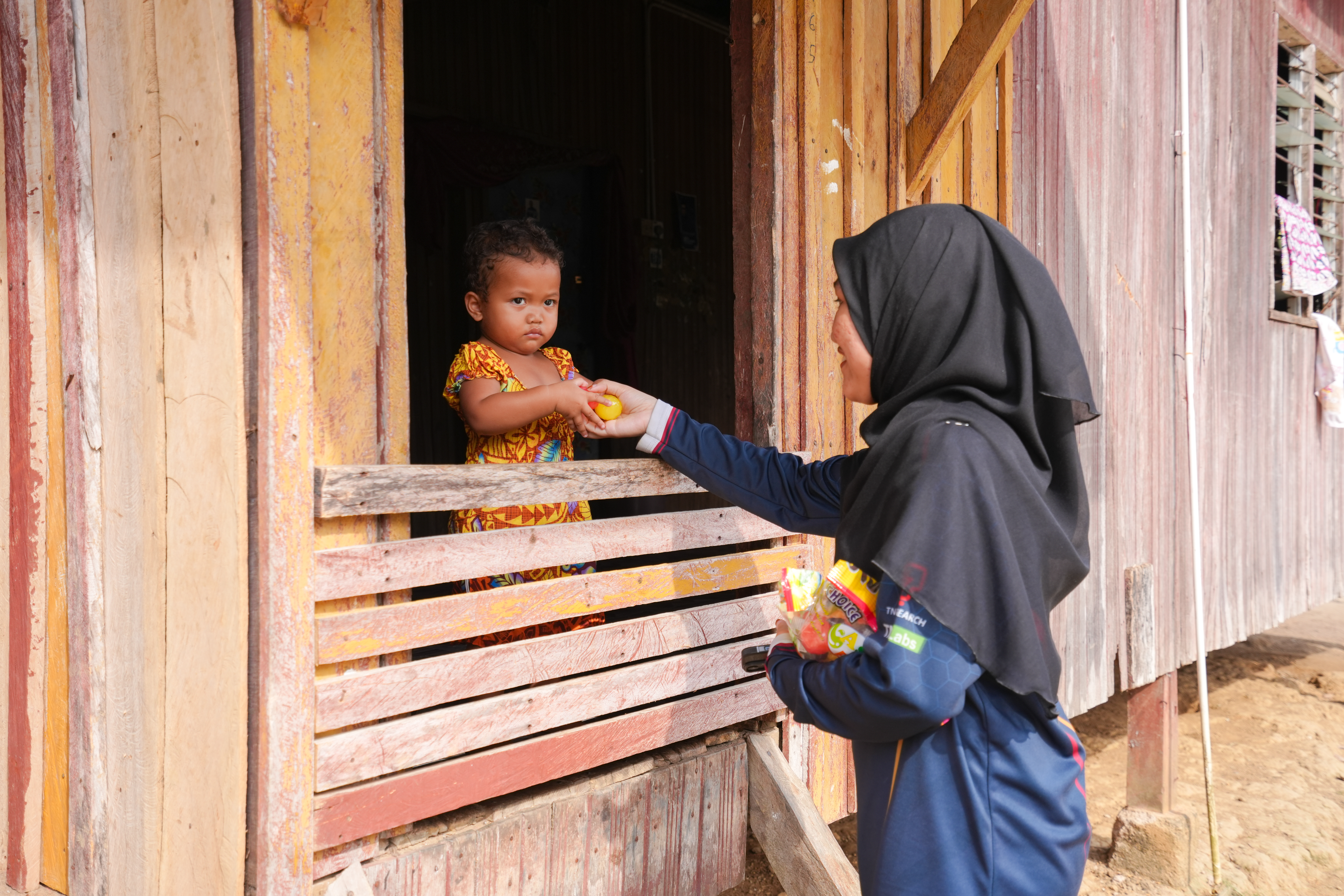
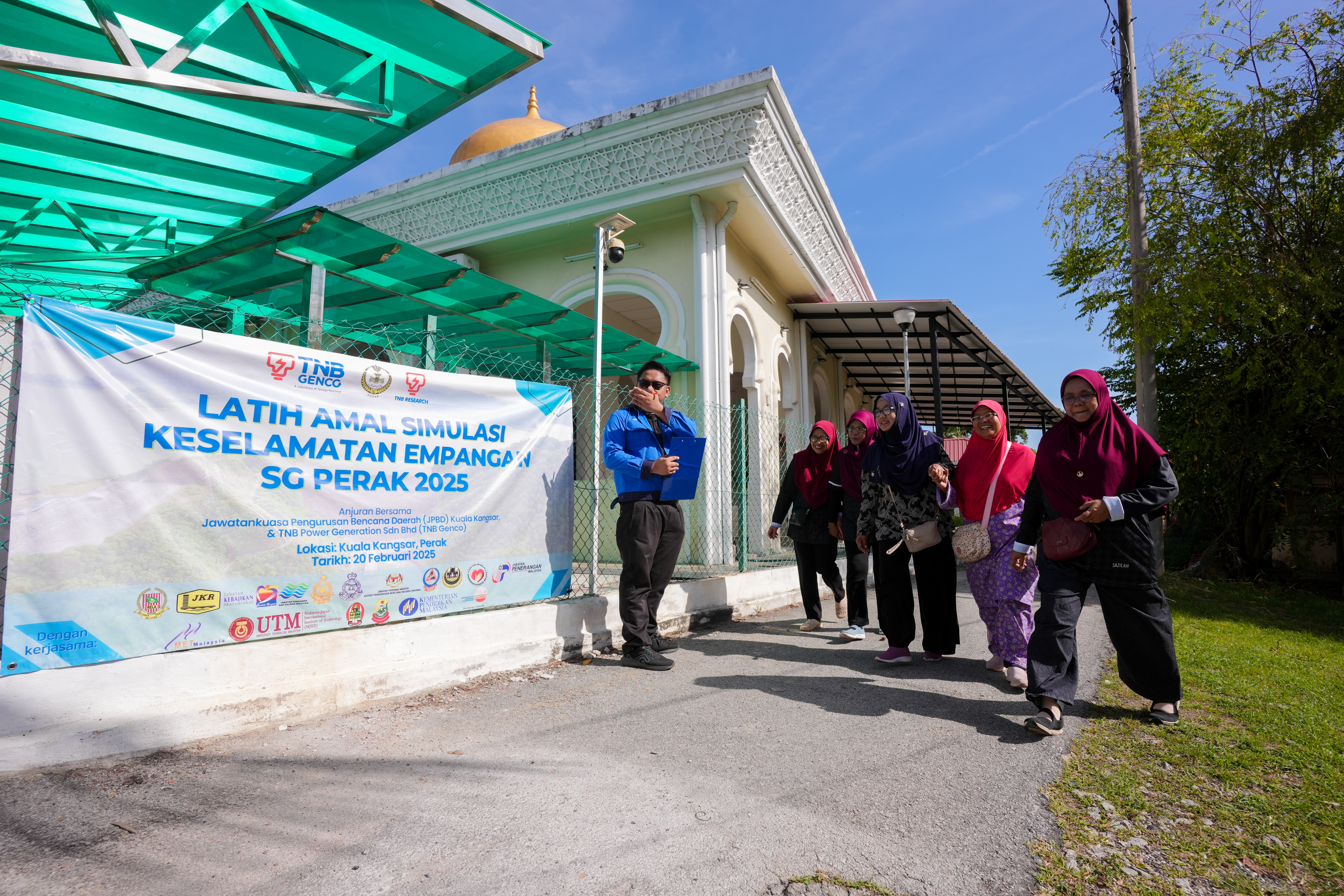
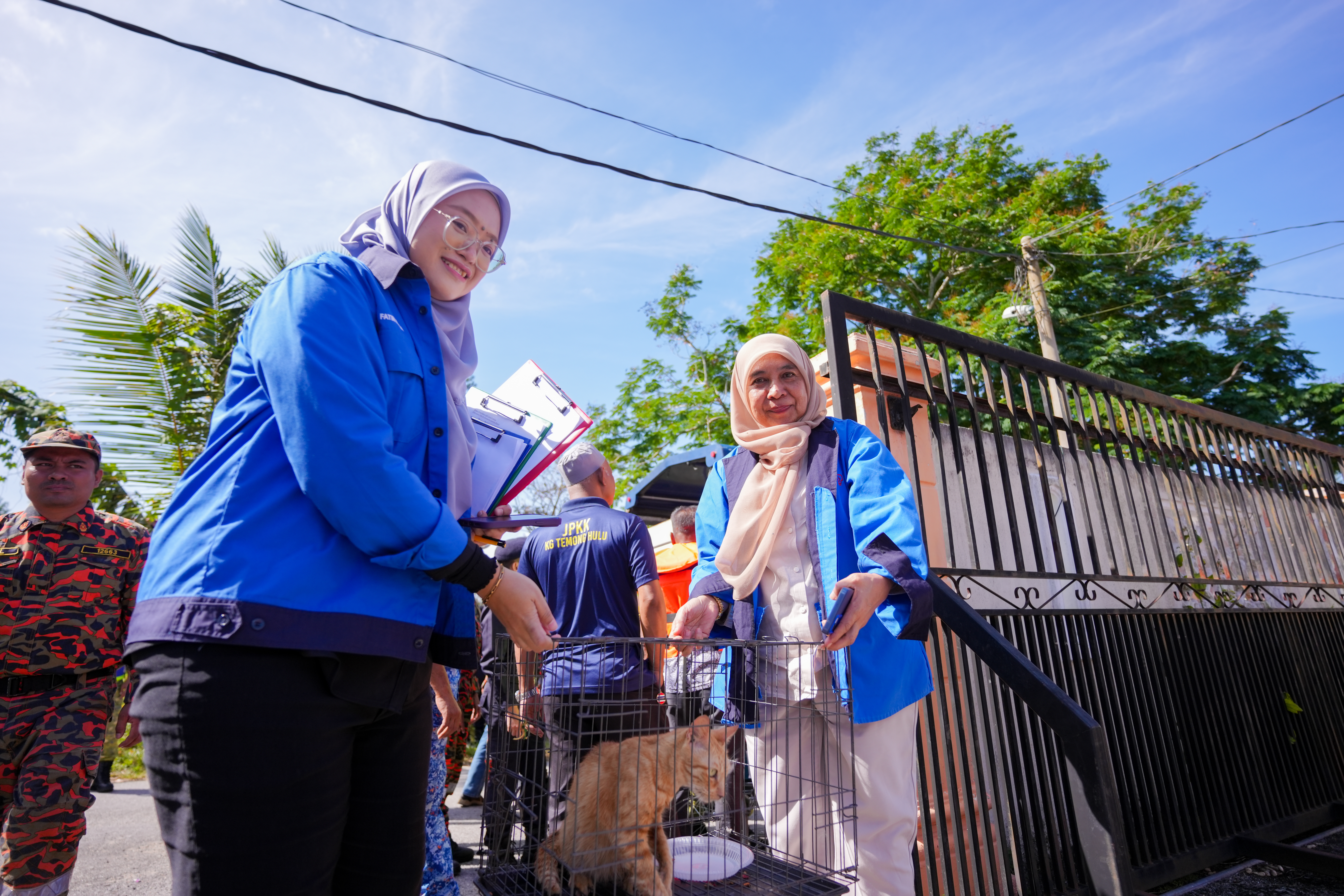
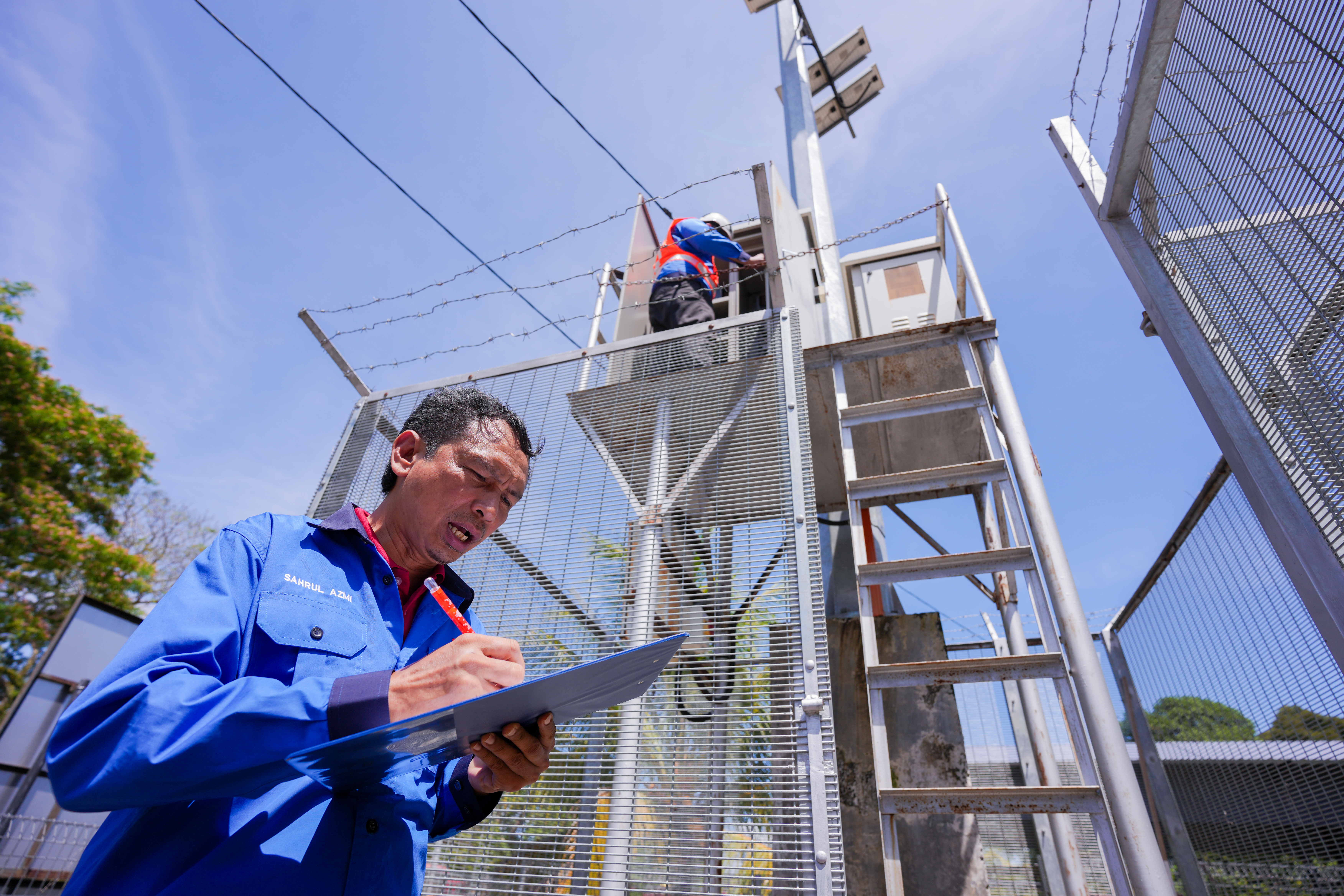
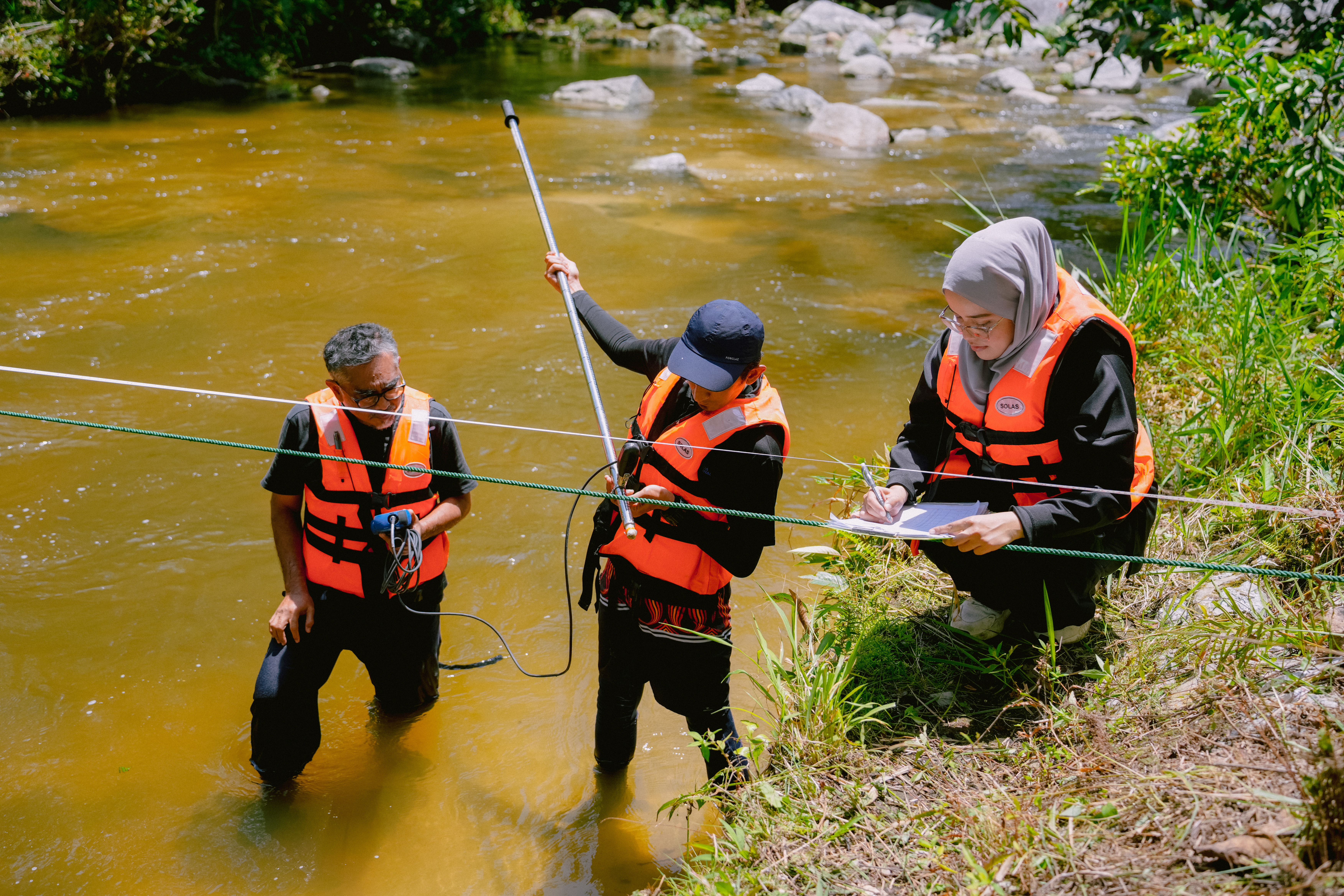
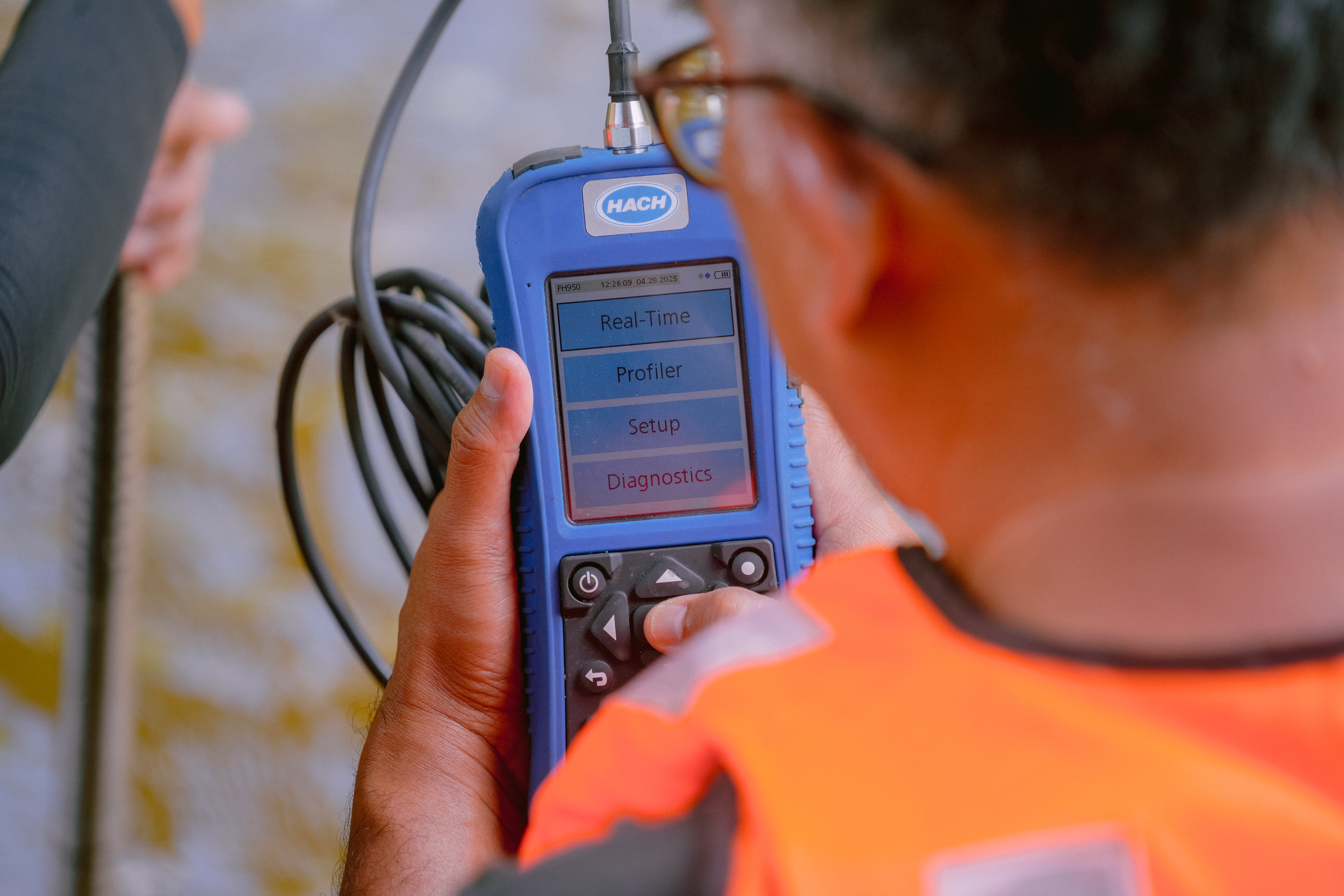
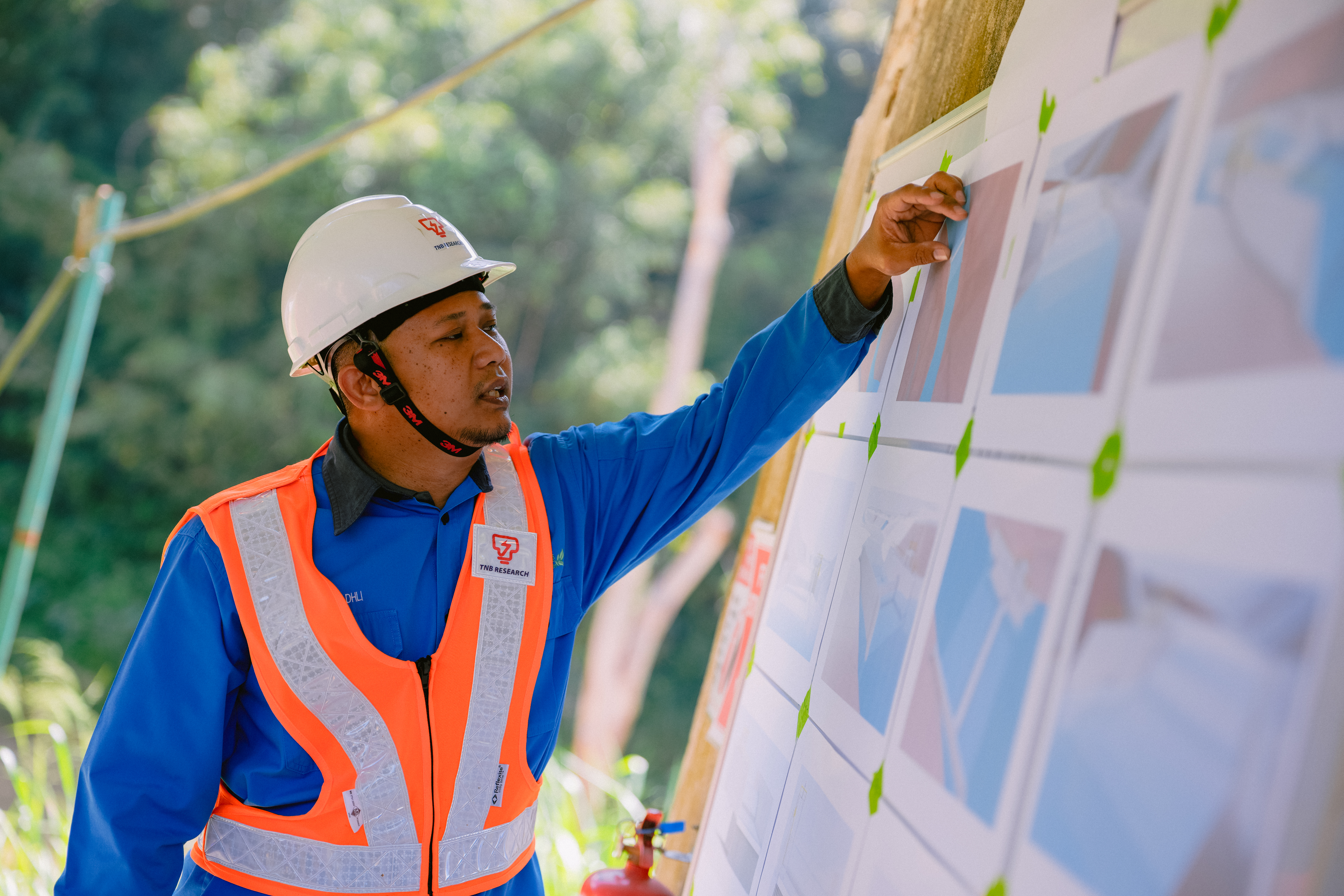





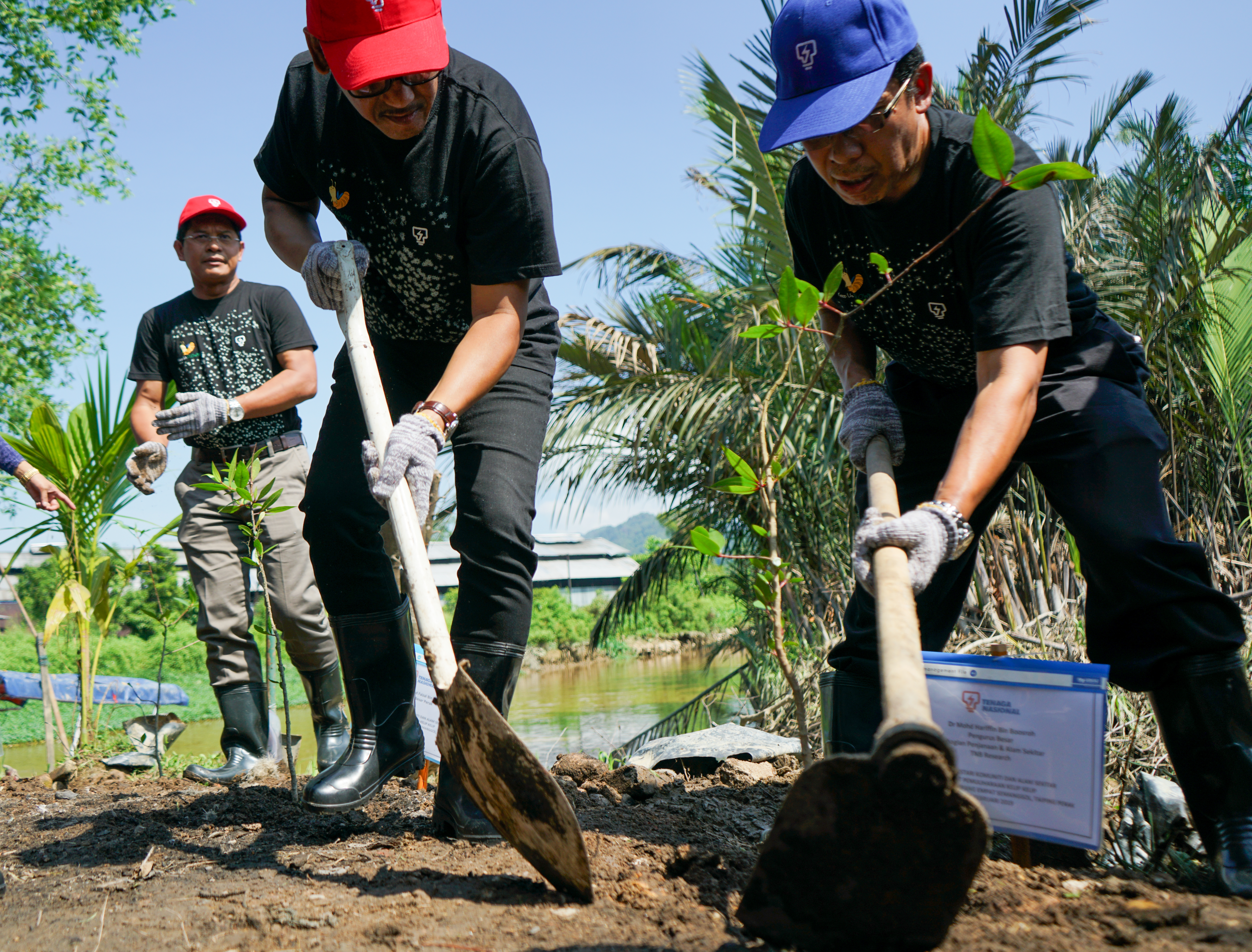
Resilient Infra & Sustainable Environment (RISE) focuses on advancing sustainability through four key areas: carbon and emission management, water and wastewater management, green building and infrastructure, as well as nature-based solutions. Its work includes developing innovative tools and technologies, applying data-driven approaches, and integrating ecosystem-based strategies to reduce environmental impact, enhance climate resilience, and promote sustainable development
TNB Biodiversity Dependency Analysis, Impact Assessment and Action Plan
This project aims to develop a comprehensive Biodiversity Roadmap for TNB, addressing biodiversity risks and impacts across its core businesses — thermal, hydro, solar, and grid infrastructure. The roadmap adopts the biodiversity mitigation hierarchy, integrating assessment frameworks and mitigation strategies to achieve No Net Loss (NNL) or Net Positive Impact (NPI).
Through biodiversity risk mapping, impact quantification, and stakeholder engagement, the roadmap provides TNB with a structured approach to assess, manage, and reduce biodiversity impacts across its assets and operations. It also identifies biodiversity hotspots and supports proactive conservation and restoration efforts.
The initiative strengthens TNB’s sustainability commitments under Sustainability Pathway 2050 (SP2050), improves FTSE biodiversity performance, and promotes collaboration with local and international partners to safeguard ecosystems and support responsible energy development.
The Biodiversity Roadmap aligns with Malaysia’s National Energy Transition Roadmap (NETR) by embedding biodiversity considerations into the nation’s green energy development. By identifying high-risk areas and establishing impact measurement mechanisms across TNB operations, the project enables responsible energy planning that balances growth with environmental stewardship — reinforcing TNB’s role in driving a sustainable energy transition.